
Garage Door Cable Snapped? What to Do Nex
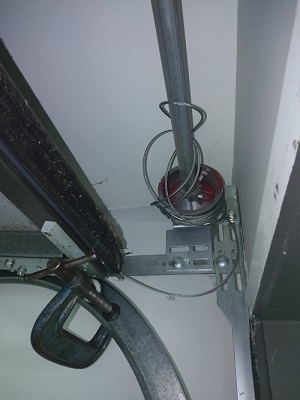
What to do when a garage door cable has snapped
First, do not press the remote again to see whether it will sort itself out. If one cable has come loose or broken, the motor can pull the door harder on one side. That may twist the door, pull rollers from the tracks, or overload the opener.
Keep children, pets and vehicles away from the opening. If the door is partly open, do not walk beneath it. A garage door can be very heavy, particularly timber sectional doors, older tilt doors and doors with a motor still connected.
If you can safely reach the power point without standing under the door, switch the motor off at the wall. Do not pull the manual release cord if the door is stuck open, crooked or under visible strain. Releasing the motor does not remove spring tension, and it may allow an unstable door to move suddenly.
If your garage is the main entry to the house, use another door until the repair is completed. Where security is a concern, a technician can assess whether the door can be safely lowered and secured as part of the repair visit.
Why garage door cables break
Most cables do not snap without a reason. They wear gradually from years of lifting a heavy door, especially where the springs are losing tension or the door is no longer moving freely. Coastal air around the Hibiscus Coast, Warkworth and Mangawhai can also speed up corrosion on older cables, drums and fixings.
A cable may break because of normal age and fatigue, but it can also jump off the drum rather than actually snap. The result looks much the same from the ground: one side of the door drops, the cable goes slack or tangled, and the door will not travel properly.
Common causes include:
- worn, frayed or corroded lift cables
- a broken or weak garage door spring
- seized rollers, worn hinges or a track that has moved out of alignment
- a damaged cable drum or loose shaft hardware
- a door that has been hit by a vehicle, bicycle, trailer or stored item
- an opener continuing to pull after the door has jammed
The cable is often the part that finally gives way, not necessarily the only part that needs attention. A proper repair checks the springs, drums, tracks, rollers and door balance so the replacement cable is not being asked to carry an underlying fault.
Can you close the door yourself?
It depends on the type of door, how it is sitting and whether the spring system is still intact. In most cases, the answer is no. A door with one failed cable is unbalanced. Even if two adults can move it, it can shift unexpectedly or drop as weight transfers to the damaged side.
Do not clamp, tie up or improvise a replacement with rope, wire or ratchet straps. These temporary fixes can damage the door and create a dangerous release of tension. Avoid winding cables onto the drum by hand as well. Correct cable tension and drum alignment matter, and the springs must be handled with the right tools and experience.
There is one sensible exception: if the door is fully shut, stable and secure, leave it shut and do not operate it until it is repaired. That keeps the home secure without adding risk.
Signs the cable may be failing before it snaps
Cables sometimes give warning before they fail. Look for fraying strands, rust, kinks, loose loops near the drum, or a door that starts lifting unevenly. You may also notice the motor straining, the door shuddering, or one side of the door sitting slightly lower than the other when closed.
A door that has become heavier to lift manually can point to spring trouble. Do not test this with the motor connected. When a door is properly balanced and the motor is disconnected by a professional in safe conditions, it should move without excessive effort. If it feels very heavy, the spring system may need attention before a cable fails.
Routine servicing is particularly worthwhile for older doors and homes near the coast. Lubricating moving parts, checking hardware, adjusting balance and replacing worn cables early is usually cheaper and far less disruptive than dealing with a jammed door on a busy morning.
What a professional cable repair should include
A cable replacement is more than fitting new wire. The technician should first make the door safe, support it correctly and inspect the full lifting system. They will identify whether the cable snapped, slipped from the drum, or was damaged by another fault.
The repair may involve replacing one or both cables, depending on their condition and the door system. If one cable has failed through age or corrosion, the cable on the other side may not be far behind. Replacing the pair can make better sense than paying for a second callout soon after, although a good repairer should explain the condition of both and let you know what is genuinely needed.
The springs, drums, shaft, rollers, hinges and tracks should then be checked. Once the cables are fitted and tensioned correctly, the door needs to be balanced and run through several open-and-close cycles. For automatic doors, the motor force and travel limits may also need checking. A motor that has been pulling against a faulty door should not simply be switched back on without testing.
For homeowners in Rodney, North Auckland, Kaipara and surrounding areas, Rodney Garage Door Services carries a wide range of repair parts and aims to complete most cable and spring repairs in one visit. The focus is on fixing the door you have, with clear advice and no push towards replacing a whole door when a sound repair will do the job.
How long will the repair take?
For a standard residential door with parts available and no major additional damage, a cable repair can often be completed on the same day. Timing changes if the door has twisted badly, the track has been damaged, the spring has broken, or it uses an older or uncommon setup.
Photos can help a repairer prepare, but do not get close to a raised or unstable door to take them. A clear photo from a safe distance of the full door, the cable area and the motor can be useful. When booking, explain whether the door is open, shut, crooked, jammed or blocking your vehicle. That helps the technician arrive ready for the situation.
Preventing the next cable failure
You cannot make a steel cable last forever, but you can reduce the chance of a surprise breakdown. Keep the tracks clear of tools, bikes and stored gear. Do not let the motor repeatedly push a door that is sticking or reversing. If the door starts making new noises, moving unevenly or leaving a gap at one corner, arrange an inspection before it becomes an emergency.
A yearly service is a practical choice for most residential doors, especially doors used several times a day. It gives worn cables, springs and rollers a chance to be picked up before they leave the garage unusable.
A snapped cable is inconvenient, but it is usually repairable. Leave the door alone, keep the area clear, and get an experienced local technician to restore the balance and safety of the whole system.
Posted: Sunday 26 July 2026